Built to Last: Designing Spa Spaces with Longevity, Not Just Luxury
13 May, 2025
In today’s ever-changing world of design, it’s easy to get caught up in the latest trends, chasing after what’s new, what’s flashy, and what’s perceived as luxurious. However, in spa design, there’s a noticeable shift towards something more enduring—a focus on creating spaces that not only embody beauty and luxury in the moment but also stand the test of time. Spa architecture is evolving into a more intentional, sustainable practice where longevity and functionality are just as important as aesthetics.
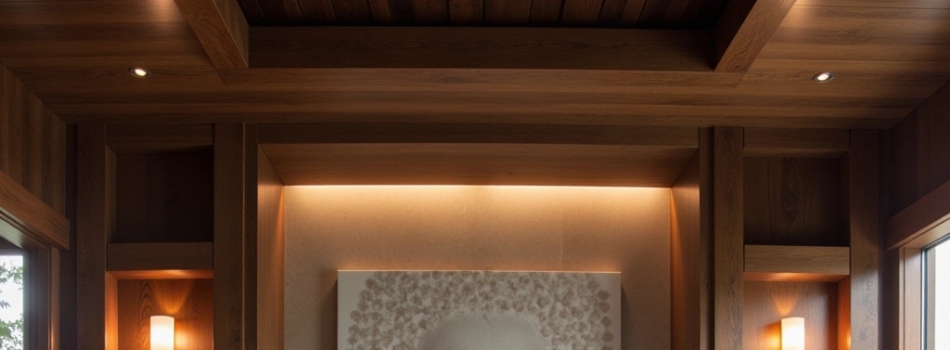
Natural materials such as stone, timber, and other organic elements are being embraced more than ever. These materials have the advantage of being both aesthetically pleasing and highly durable. Stone, for instance, has been used in architecture for centuries and adds a timeless quality to any space. Timber, with its warm tones and ability to age gracefully, helps create a comforting atmosphere, making guests feel more grounded. It’s not just about looks; it’s about crafting an experience that feels rooted and deeply connected to the earth.
The shift in design also reflects a growing understanding of how spaces impact well-being. Beyond simply being visually striking, spa environments are now designed to encourage relaxation, introspection, and sensory connection. By incorporating tactile materials and soothing textures, designers enhance the physical experience of the space, helping to deepen the emotional journey of the guest.
One of the most significant trends in spa design today is a move away from large, sprawling complexes and towards more compact, efficient layouts. Instead of spreading wellness across a vast area, designers are integrating wellness features into the heart of the space, blending functionality and aesthetic appeal. The design is streamlined and intuitive, where each area serves a particular purpose and is designed to support the body and mind. By focusing on creating spaces that function as part of a daily ritual rather than just a luxury experience, spas become a tool for maintaining health, peace, and wellness for years to come.
This approach also prioritises sustainability, as fewer resources are needed to build and maintain smaller, more functional spaces. From an environmental perspective, it’s a win-win. But from a guest’s perspective, it’s about creating a space that feels like home—one that evolves with them and continues to nurture them through their wellness journey.
The key takeaway here is that longevity in design is about more than just choosing materials that last. It’s about creating spaces that stand the test of time in how they serve guests, nurture their senses, and support a deeper connection to both themselves and the world around them.