A Soak in Tradition: Japanese Onsen and Sento Culture
04 July, 2025
In Japan, the act of bathing is far more than a method of hygiene — it is a ritual of cleansing, reflection, and harmony with one’s surroundings. Central to this tradition are onsen and sento, two types of public baths that represent the deep-rooted cultural appreciation for water, stillness, and wellbeing.
Onsen are natural hot spring baths, typically located in mountainous or volcanic regions where mineral-rich geothermal waters rise from the earth. These baths have been used for centuries for their reputed healing properties, and many onsen towns have grown around such springs, offering visitors not only rejuvenation but also a serene escape from urban life. The setting is often as important as the soak itself — outdoor baths, or rotenburo, provide a chance to sit beneath snow-covered pines or gaze at the mist rolling through a quiet valley, fully immersed in nature.
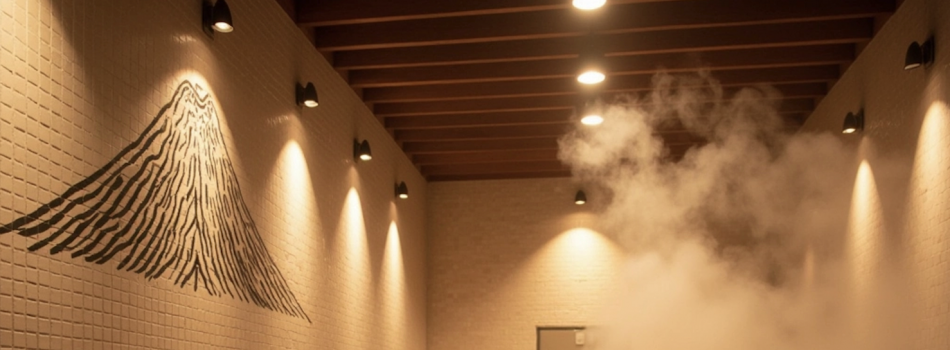
Sento, by contrast, are found in the heart of towns and cities. They are traditional bathhouses that use heated tap water, serving as communal spaces where neighbours gather at the end of the day. While less rustic than their onsen counterparts, sento are no less important culturally. They provide affordable relaxation and foster local ties, often decorated with nostalgic murals — Mount Fuji being a perennial favourite. Despite the modern availability of private baths at home, sento remain a cherished institution for many Japanese people.
Cleanliness and etiquette are vital in both settings. Bathers must thoroughly wash and rinse their bodies before entering the shared baths, ensuring the water remains pure for everyone. Swimwear is not permitted — bathing is done nude, in keeping with the values of modesty and equality. This shared vulnerability fosters a quiet sense of respect and togetherness. Conversations are kept soft, and mobile phones are strictly left behind, preserving the atmosphere of calm.
There is much that modern hotels and spa designers can learn from onsen and sento culture. First and foremost is the importance of atmosphere — the use of natural materials such as stone, wood, and flowing water helps create a meditative environment. Outdoor bathing areas, or the illusion of nature through carefully framed views and plantings, can enhance this effect. Second is ritual and rhythm: encouraging guests to follow a journey — from washing stations to warm soaks and cold plunges — adds intention and meaning to the experience. Finally, fostering a sense of unspoken etiquette and shared respect, even in a private setting, elevates the space from functional to sacred.
By blending the spirit of Japanese bathing culture with thoughtful design, hotels and wellness spaces can offer more than just relaxation — they can create timeless moments of presence and renewal.