A quick sense of tradition versus modern innovation
20 April, 2026
Infrared therapy cabins and traditional saunas are both increasingly being integrated into modern wellness spaces, but they deliver quite different user experiences, operational requirements, and design outcomes. For hotels, spas, and wellness venues, understanding these differences is essential when deciding what will best suit your guests, your brand positioning, and your operational model.
Traditional saunas have a long-established heritage, rooted particularly in Nordic and Baltic bathing culture. They rely on heating the air within a sealed timber room, typically using a stove with heated stones. The result is a high-temperature environment that surrounds the body. This creates a strong, immersive heat experience that many guests associate with authenticity, ritual, and a sense of cultural tradition. In hospitality settings, this can be a major advantage, as it aligns with expectations of a “classic spa journey” and often performs well in social or shared wellness environments.
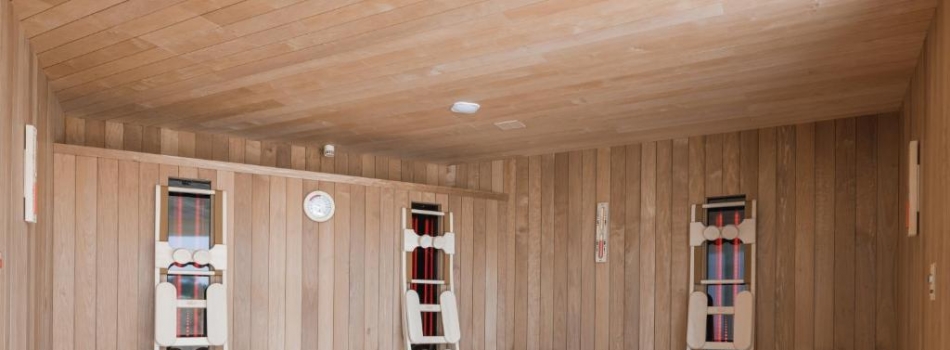
Infrared therapy cabins represent a more recent evolution in heat-based wellness. Rather than heating the air, infrared systems emit wavelengths that warm the body directly. This produces a lower ambient temperature, which many users perceive as more comfortable and accessible. Sessions can often be longer due to the reduced thermal intensity, and the experience is generally quieter and more individualised. For operators, this can appeal to guests who may be less familiar with traditional sauna culture or who prefer a gentler form of heat therapy.
From a commercial perspective, traditional saunas tend to offer a strong experiential anchor. They are widely recognised, often expected in higher-end spa environments, and can contribute significantly to perceived luxury. However, they do require more energy to reach and maintain high temperatures, and warm-up times must be factored into scheduling and operational flow. Ventilation, moisture management, and user education also play a role in ensuring consistent guest experience.
Infrared cabins, by contrast, typically require less energy to operate and can be more flexible in terms of installation, particularly in smaller or modular wellness spaces. They heat up quickly and do not rely on high ambient temperatures, which can simplify some aspects of facility management. However, they may not deliver the same traditional “heat immersion” that certain guests actively seek, particularly in markets where sauna culture is already well established.
In terms of guest demographics, traditional saunas often appeal strongly to wellness enthusiasts, spa regulars, and international guests familiar with heat bathing rituals. Infrared cabins tend to attract a broader audience, including first-time users, guests with lower heat tolerance, or those seeking targeted recovery experiences linked to fitness and wellbeing trends.
Increasingly, high-performing wellness venues are choosing not to position these as competing options, but as complementary offerings. A well-designed facility might incorporate both, allowing guests to select based on preference, mood, or therapeutic need. This dual approach can enhance dwell time, broaden appeal, and improve overall guest satisfaction.
As wellness continues to become a defining feature of hospitality and real estate development, both technologies are gaining importance. Traditional saunas bring heritage, atmosphere, and social ritual. Infrared cabins bring accessibility, modernity, and flexibility. The strongest concepts are those that align the right thermal experience with the intended guest journey and operational goals.
For companies, hotels, and wellness venues looking to invest in either approach, design, performance, and integration are critical. ASPA are experts in sauna design and build and can help develop tailored solutions that align with your space, brand, and guest experience objectives.